

Rates Cap Plan Faces Skepticism from Local Government Experts
A proposed government cap on council rates increases to a maximum of four percent annually is drawing criticism from experts who question its feasibility and long-term benefits.

Updated
The government recently announced its intention to proceed with plans to limit annual council rates increases to four percent. This cap would not extend to fees, charges, or water services. However, this move has prompted concerns from local government commentators, who suggest that few councils currently operate within such a limit and that the policy may necessitate significant operational changes.
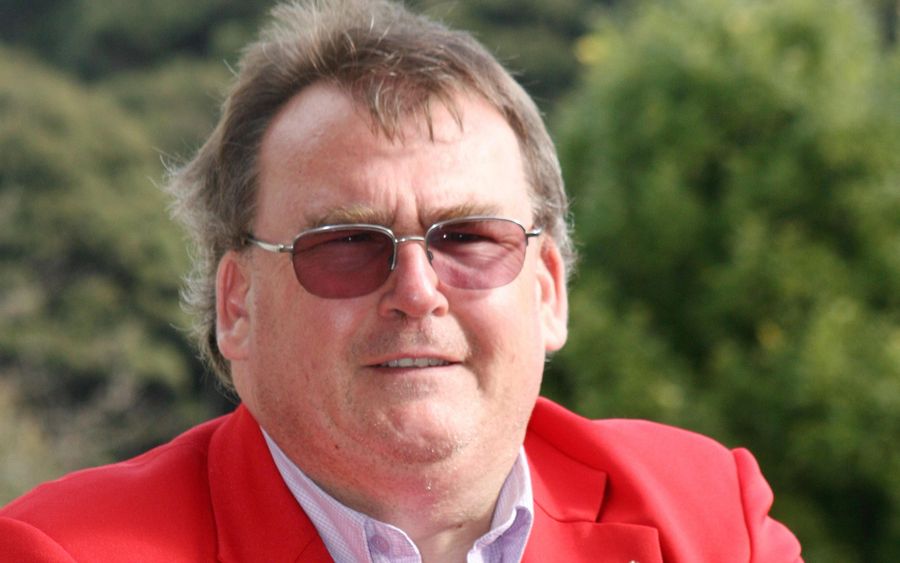
Analysis of current proposals for the 2026/27 financial year indicates that only nine out of nearly 70 councils are forecasting rates increases below four percent. The national average for proposed increases stands at 6.9 percent. Several councils have significantly higher projected increases, with Clutha District Council at over 20 percent, Waitaki District Council at 17 percent, and Gore District Council at 11 percent. In contrast, Wairoa District Council has the lowest proposed increase at 2.8 percent, followed by Carterton at 3.2 percent. Wairoa's recent per-capita spending has been notably high, partly due to severe weather recovery efforts.
Simplicity economist Shamubeel Eaqub highlighted that Wellington currently faces the highest average rates bill across the country, approaching $12,000, which includes charges for water entities, regional councils, and other user fees. Porirua and Queenstown-Lakes follow, while Opotiki and Invercargill have the lowest rates.
Andy Asquith, a local government expert and adjunct research fellow at the University of Western Australia, expressed skepticism about the rates cap's potential success. He stated, “They haven't done their homework and simply don't understand local government.” Asquith believes that rate capping rarely brings benefits and views it as “short term political show boating with a very blunt instrument.”
Asquith argued that local government, self-determination, and communities suffer because central government has not developed a sustainable financial system for councils. He advocated for a cross-party supported Royal Commission, similar to the inquiry chaired by David Shand almost two decades ago, to address these systemic issues. He noted that rates vary widely because councils make decisions based on their community's specific needs at a given time.
The expert pointed out that many councils historically neglected infrastructure and depreciation, leading to the substantial rates increases seen in recent years as they address these long-standing issues. He described the tendency to keep rates low, irrespective of long-term costs, as a reflection of “short-termism that underscores a lot of politics in New Zealand,” partly influenced by the three-year electoral cycle. Asquith called for a “grown up discussion” about the purpose, function, and funding of local government, stating that the current system is unsustainable, especially given that the Crown and other state entities do not pay rates.
Shamubeel Eaqub noted that the average rates increase over the past decade has been just under eight percent annually. He critically remarked on the implications of a rates cap: “If you have a rates cap, you must decide what is going to cut in terms of spending.” He described such revenue caps as “gutless” for not specifying which responsibilities or expenditures of local government would be removed. Eaqub views the approach as centralising the rates decision while leaving all other problems to local councils, creating a convenient narrative where local councils are deemed incompetent if services are affected.
Brad Olsen, principal economist at Infometrics, highlighted the generational underfunding of infrastructure that councils are now contending with. He suggested that addressing this issue should eventually lead to lower rates increases. Olsen also emphasised the significance of water costs being excluded from the proposed cap. He explained that increasing operating and capital costs for water, coupled with the government's approach of making water services self-funding, could mean that overall local government costs might be higher than anticipated, as significant investment is needed for maintenance, upgrades, and renewals that have been deferred for decades.
Olsen found the four percent cap to be a simplistic figure, stating, “There's no recognition for actual costs to local government.” He predicted potentially challenging outcomes, where communities might have to forgo certain services. Olsen also noted the perceived irony of central government capping rates while not capping its own taxes. More insights into financial matters can be found by listening to a discussion on this topic here.
New Zealand Magazine Staff
News, features and reporting from across Aotearoa, by the New Zealand Magazine team.
Comments
Loading comments…


The best of New Zealand, in one email
One considered email — the reporting, the long reads and the stories worth your time.